


Most nonprofits don’t have a dedicated fundraising team. The Executive Director finds themselves delivering programs, organizing board meetings, launching fundraisers and posting on social media. Stewardship, the act of nurturing your donors after the gift, keeps falling to the bottom of the to-do list.
Here’s the thing though, stewardship consistently delivers one of the highest returns on investment in fundraising. The for-profit world knows this. They know that retaining an existing client costs anywhere from 5 to 20 times less than getting a new one. This is why they invest so much in client retention.
Why don’t nonprofits do the same? Because they are limited on time and don’t know where to start.
But stewardship works, and it doesn’t have to be flashy, expensive, or require a fancy gala. But donors do want to know how their gift is impacting your organization. They also want to feel seen. If all they’re getting are back-to-back funding requests, eventually, they will stop opening your emails, which isn’t good.
The good news is that you can set up a handful of automated touchpoints that cover the basics and keep donors feeling connected, even during your busiest stretches. None of this replaces a personal phone call or a handwritten note. But it creates a foundation that works while you’re out there creating impact.
Here are four simple automations you can set up in just a few hours.
Step 1: Ask one good question on your donation form
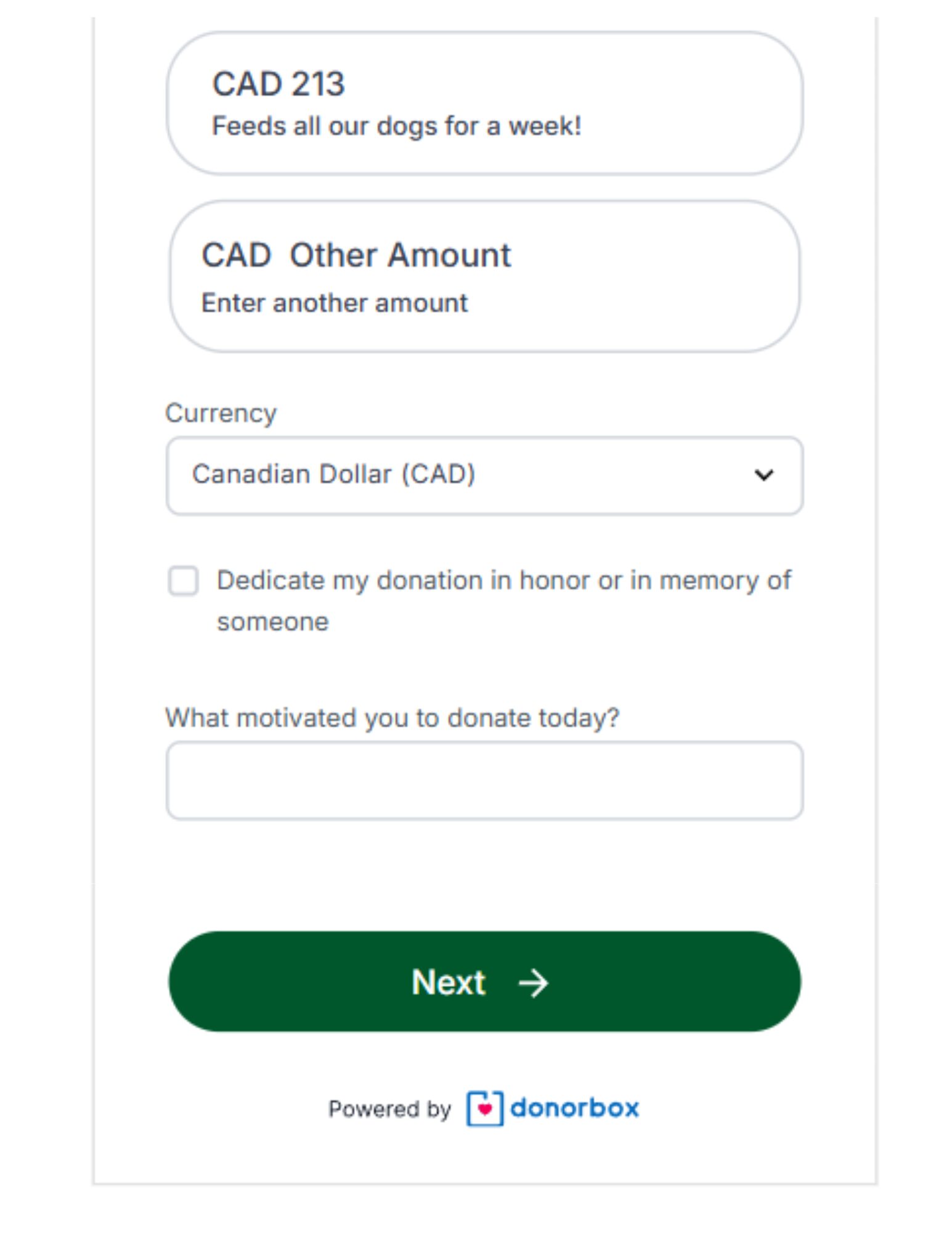 Many donation platforms, including DonorBox, allow you to add a custom question to your form. Use it.
A simple prompt like “What motivated you to support us today?” does something a standard comment field doesn’t: it invites reflection. Donors pause and articulate, sometimes for the first time, why your cause matters to them.
You don’t need to respond to every answer. But when you do connect with that donor later, whether it’s a thank-you call or email, a renewal conversation, or a major gift ask, you can pull up their original response and speak directly to what moved them. That’s how automation fuels your relationships.
Step 2: Treat your receipt email like a thank-you, not a transaction
Think about it this way: if your grandmother sent you $50 for your birthday, you wouldn’t file it away and move on. You’d call her or send her a message. You’d tell her it meant something. So why do so many donation confirmation emails feel like, well, like they just bought a lamp?
Your donors didn’t just buy a lamp. They chose your organization out of every cause they could have supported and given to. Something about your work inspired them. Your automated receipt email is your first chance to honour that.
Add a short story, one person, one animal, one family, that shows what a gift like theirs makes possible. Keep it brief, and make sure the donor feels that their decision landed somewhere meaningful, not just in your bank account. The system is already in place on most donation platforms; take advantage of it.
Want to go the extra mile? Add photos. Or better yet, use a tool like Loom to record a short thank-you video. The more authentic it feels, the better. Here’s an example of a video I recorded in 5 minutes from start to finish. No script, no editing, just me saying thank you to people who signed up for my Donor Lingo Stewardship Challenge.
Step 3: Set up a basic welcome series
This does not have to be an elaborate email sequence. Even two or three emails, spaced thoughtfully, can transform a first-time donor into someone who feels genuinely connected to your work.
Here’s one simple structure I would recommend:
Email 1: Impact: 1 day after the donation. This follows up on the receipt and goes deeper. Share a story of transformation. What did a donation like theirs actually make happen? What would have happened had you not been there?
Email 2: Origin: 1 week after the donation. Introduce your organization’s origin story. This is especially helpful for first-time donors. Why did the founder start this work? What makes your organization unique? Help the donor understand the “why” behind the work.
Email 3: An invitation: 2 weeks after the donation Give them one low-barrier way to go further. Follow you on social media, read a blog post, sign a petition, attend a free event. This email is about building a relationship and fostering more engagement, not asking for another gift.
Step 4: A six-month nudge toward monthly giving
If your platform allows for it, consider setting a delayed automation that fires five or six months after someone’s initial gift. This message can reflect on what can happen in 6 months in your organization, share a milestone or two from your recent work, and extend a warm invitation to become a monthly donor.
The key difference here is showing what could happen if you didn’t have to worry about funding. You’re not hitting them with another ask. You’re inviting them to invest in a vision of what could be. Everyone wants to change the world in their own way; this is their chance to do that.
(If you haven’t built out a dedicated monthly giving page yet, I highly recommend this previous article published by CharityVillage: Why are so many nonprofits missing out on the sustained revenue of monthly giving?)
A note before you start
None of these steps requires a big budget or a full-time communications team. They require about a day of setup and a willingness to put a little heart into your storytelling and find impactful photos.
Stewardship automation is not about tricking donors into thinking you’re paying attention. It’s about making sure that when you can’t be everywhere at once, the systems you’ve built still reflect the values you actually hold.
Stewardship always pays off, and these could be your first steps into retaining more donors and building up your recurring revenue streams.
P.S. If you want actionable daily prompts with templates to take the guesswork out of stewardship, I invite you to join my Donor Lingo 30-day stewardship challenge!
Want expert support to build your monthly giving program? Book an exploration call with Katherine of Just Be Cause Consulting today.
The views expressed in this article are the author’s alone and do not necessarily represent those of CharityVillage.com or any other individual or entity with whom the authors or website may be affiliated. CharityVillage.com is not liable for any content that may be considered offensive, inappropriate, defamatory, or inaccurate or in breach of third-party rights of privacy, copyright, or trademark.
